Grenada's Role in the Global Fight Against Climate Change
Introduction
Grenada, the picturesque Caribbean island, is widely known for its stunning beaches, lush rainforests, and vibrant culture. However, beyond its natural beauty, Grenada has emerged as an important voice in the global dialogue on climate change. As a small developing island state (SIDS), Grenada is highly vulnerable to the impacts of climate change, including rising sea levels, extreme weather events, and shifting agricultural patterns. Despite its relatively small size and limited economic resources, Grenada has played an outsized role in the international fight against climate change.
This article explores Grenada's vulnerability to climate change, its efforts to mitigate and adapt to its effects, and its leadership in international climate negotiations. It also highlights the challenges Grenada faces in balancing development with sustainability and offers insights into how the global community can support small nations like Grenada in their climate-related efforts.
Grenada's Vulnerability to Climate Change
Grenada, like many other SIDS, is on the frontlines of climate change. The island's geographic location in the hurricane-prone Caribbean basin, combined with its small size, makes it particularly susceptible to climate-related impacts. Grenada's vulnerability is evident in several key areas:
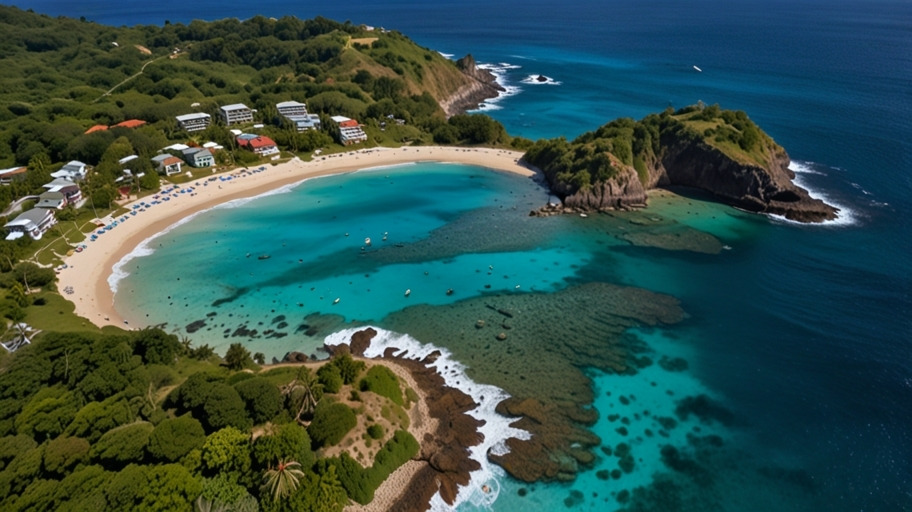
- Rising Sea Levels: One of the most significant threats posed by climate change to Grenada is the rising sea level. The Intergovernmental Panel on Climate Change (IPCC) projects that global sea levels could rise by up to 1 meter by the end of the century. For a small island like Grenada, even modest sea level rise can have devastating consequences, including the loss of coastal land, damage to infrastructure, and displacement of communities. Much of Grenada's population lives near the coast, making the potential for flooding and erosion particularly concerning.
-
Extreme Weather Events: Grenada has experienced the devastating effects of extreme weather events in recent years. In 2004, Hurricane Ivan, a Category 3 hurricane, struck the island, causing widespread damage and leaving 90% of the population homeless. The hurricane caused an estimated $1 billion in damage, nearly double the country's GDP at the time. In 2005, the island was hit again by Hurricane Emily. These back-to-back events underscored the increasing intensity of storms linked to climate change and highlighted Grenada's vulnerability to such extreme weather.
- Agricultural Disruption: Grenada's economy relies heavily on agriculture, particularly the production of spices like nutmeg, which has earned the island the nickname "Spice Isle." However, climate change is threatening the viability of these crops. Changes in rainfall patterns, increased temperatures, and extreme weather events can disrupt agriculture, leading to food insecurity and economic challenges for Grenada.
- Coral Reef Degradation: Grenada's marine ecosystems, particularly its coral reefs, are also at risk due to climate change. Rising ocean temperatures and acidification are causing coral bleaching, which threatens the biodiversity of the island's waters and the livelihoods of those who depend on fishing and tourism.
Grenada's National Efforts in Mitigation and Adaptation
Despite these vulnerabilities, Grenada has been proactive in addressing climate change through a combination of mitigation and adaptation strategies. The country's commitment to sustainability is reflected in its national policies and programs aimed at reducing greenhouse gas emissions, promoting renewable energy, and enhancing resilience to climate impacts.
-
Grenada's Nationally Determined Contributions (NDCs): Under the Paris Agreement, Grenada submitted its Nationally Determined Contributions (NDCs), outlining its climate action plan. In its NDC, Grenada committed to reducing its greenhouse gas emissions by 30% by 2025 compared to a business -as-usual scenario. This includes targets for energy efficiency, renewable energy, and transportation. Although Grenada's total emissions are small compared to major industrialized nations, the country's efforts are significant in demonstrating its commitment to global climate goals.
- Transition to Renewable Energy: Grenada has recognized the need to transition away from fossil fuels and toward renewable energy sources. Currently, the island relies heavily on imported fossil fuels for electricity generation, which is both costly and environmentally damaging. In response, Grenada has set a goal to generate 50% of its electricity from renewable sources by 2030. The government has been actively promoting the development of solar, wind, and geothermal energy projects. Solar energy, in particular, has significant potential in Grenada due to the island's abundant sunshine .
- Climate-Resilient Infrastructure: To enhance its resilience to the impacts of climate change, Grenada has been investing in climate-resilient infrastructure. This includes the construction of seawalls, the reinforcement of critical infrastructure such as roads and bridges, and the development of early warning systems for extreme weather events. The government has also implemented zoning regulations to prevent development in areas prone to flooding or erosion.

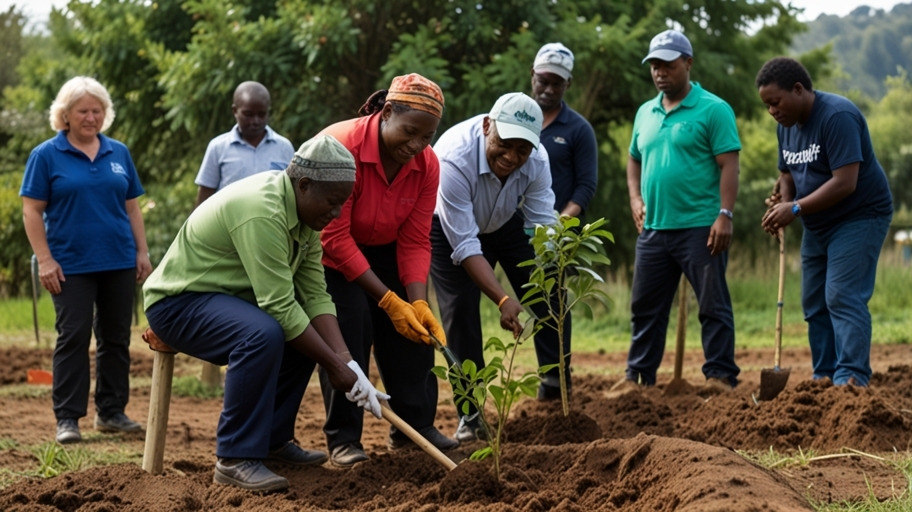
- Conservation and Sustainable Land Use: Grenada has also taken steps to protect its natural environment and promote sustainable land use. The government has implemented policies to reduce deforestation and promote reforestation, recognizing the importance of forests in sequestering carbon and reducing the risk of landslides. In addition, Grenada has been working to protect its marine ecosystems through the establishment of marine protected areas (MPAs) and the promotion of sustainable fishing practices.
-
Community-Based Adaptation: Recognizing that communities are often the first responders to climate impacts, Grenada has prioritized community-based adaptation initiatives. These initiatives aim to build local capacity to respond to climate change through education, training, and the provision of resources. For example, the government has worked with local farmers to promote climate-smart agriculture practices, such as water conservation and the use of drought-resistant crops.
Grenada's Leadership in International Climate Negotiations
Grenada has not only been active in addressing climate change at the national level but has also emerged as a leader in international climate negotiations. The country has used its position as a SIDS to advocate for more ambitious global climate action, particularly on behalf of vulnerable nations that are disproportionately affected by climate change.
- The Alliance of Small Island States (AOSIS): Grenada is a member of the Alliance of Small Island States (AOSIS), a coalition of SIDS that has played a critical role in shaping global climate policy. AOSIS has been a vocal advocate for the need to limit global warming to 1.5°C, as SIDS like Grenada are among the most vulnerable to the impacts of even moderate temperature increases. Grenada has used its position within AOSIS to push for stronger emissions reduction commitments from major emitters and increased financial support for adaptation efforts in vulnerable countries.
-
Chairing the Green Climate Fund (GCF): In 2014, Grenada took on a significant leadership role in the global climate finance landscape by serving as the co-chair of the Green Climate Fund (GCF) Board. The GCF was established to provide financial support to developing countries for mitigation and adaptation efforts. Grenada's role in the GCF allowed the country to advocate for the specific needs of SIDS and other vulnerable nations in accessing climate finance. This leadership position was a legacy to Grenada's ability to punch above its weight in international climate diplomacy.
- Advocating for Climate Finance: Grenada has been a strong advocate for increased climate finance for developing countries, particularly for adaptation. The country has highlighted the need for developed nations to fulfill their financial commitments under the Paris Agreement, including the pledge to mobilize $100 billion per year in climate finance by 2020. Grenada has argued that small, vulnerable nations require financial assistance to build resilience to climate impacts and transition to low-carbon economies.
- Participation in UN Climate Conferences (COPs): Grenada has been an active participant in the United Nations Framework Convention on Climate Change (UNFCCC) Conference of the Parties (COPs), where global climate negotiations take place. Grenada has consistently called for stronger global action to limit temperature increases, particularly emphasizing the importance of staying below the 1.5°C threshold. At COP26 in Glasgow in 2021, Grenada's representatives pushed for increased ambition from major emitters and highlighted the urgent need for financial and technical support for vulnerable nations.
Challenges and Opportunities
While Grenada has made significant strides in addressing climate change, it faces several challenges in its efforts to balance development with sustainability.
- Limited Financial Resources: As a small island developing state, Grenada has limited financial resources to invest in climate mitigation and adaptation. The country is heavily reliant on external funding, including climate finance from multilateral organizations and bilateral donors. Securing adequate funding for large-scale infrastructure projects and renewable energy development remains a significant challenge.
- Economic Dependence on Fossil Fuels: Grenada's economy is still dependent on fossil fuel imports, particularly for electricity generation and transportation. The transition to renewable energy will require significant investments in infrastructure and technology, as well as overcoming existing market barriers. Additionally, Grenada must balance the need for economic development with the imperative of reducing its carbon footprint.
- Tourism and Climate Change: Grenada's economy is highly dependent on tourism, which is itself vulnerable to the impacts of climate change. Rising sea levels and extreme weather events can damage the island's beaches, resorts, and tourism infrastructure. At the same time, the tourism sector contributes to Grenada's greenhouse gas emissions through air travel and energy consumption. Grenada must find ways to make its tourism industry more sustainable while protecting the natural environment that attracts visitors.
Conclusion
Grenada's role in the global fight against climate change is a testament to the power of small nations to lead on critical global issues. Despite its vulnerability and limited resources, Grenada has demonstrated a strong commitment to addressing climate change through both national action and international advocacy. The country has shown that SIDS are not only victims of climate change but also important actors in shaping the global response to this existential threat.
As the world moves forward in implementing the Paris Agreement and addressing the climate crisis, Grenada's experience offers valuable lessons on resilience, adaptation, and the need for international solidarity. By continuing to advocate for stronger climate action and increased support for vulnerable nations, Grenada will remain an important voice in the ongoing fight against climate change.