Grenada's Public Debt: Strategies for Sustainable Fiscal Management
Introduction
Grenada, a small island nation in the Caribbean, is no stranger to economic challenges. With a population of approximately 112,000 people and an economy largely reliant on tourism, agriculture, and remittances, Grenada has faced significant fiscal hurdles over the past few decades. One of the most pressing issues for the country has been the management of public debt. Following a series of external shocks, including natural disasters and the global financial crisis, Grenada's debt burden soared to unsustainable levels, threatening economic stability and growth.
Over the past few years, however, Grenada has made significant strides in managing its public debt through a combination of fiscal consolidation, debt restructuring, and strategic reforms. This article explores Grenada's public debt trajectory, the strategies employed by the government to manage it, and the lessons other small economies can learn from its experience.
Overview of Grenada's Public Debt Situation
Historical Context
Grenada's economic challenges have been shaped by its vulnerability to external shocks. A series of hurricanes in the 2000s, particularly Hurricane Ivan in 2004, devastated the island's infrastructure, reducing the country's economic output by nearly 30% in one year. The cost of rebuilding, coupled with already existing fiscal imbalances, pushed Grenada's public debt to alarming levels. By 2013, the country's debt-to-GDP ratio stood at an unsustainable 108%, making Grenada one of the most indebted countries in the world relative to its size.
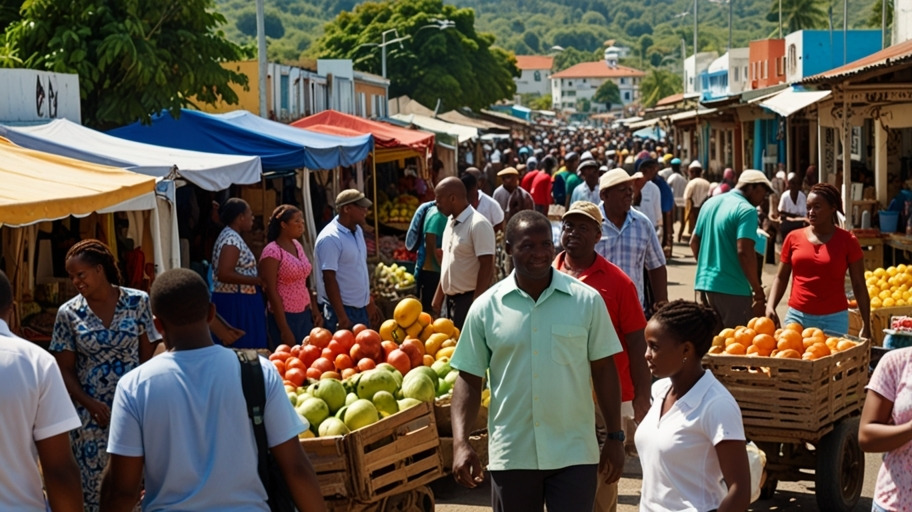
The heavy debt burden was also a product of previous policies that led to excessive borrowing. During the late 1990s and early 2000s, Grenada had taken on significant loans to finance development projects, which yielded mixed results in terms of economic returns. The combination of slow economic growth, fiscal deficits, and high borrowing costs left the government with limited fiscal space to manage the debt effectively.
Debt Restructuring and IMF Assistance
By 2013, the Grenadian government was forced to initiate a comprehensive debt restructuring process with assistance from the International Monetary Fund (IMF). This was Grenada's second debt restructuring in less than a decade, following a similar effort in 2004 after Hurricane Ivan.
The 2013 restructuring involved negotiations with both bilateral and multilateral creditors, as well as holders of the country's external bonds. Grenada adopted a cooperative approach, securing significant debt relief, including a haircut on the face value of its debt and a lengthening of repayment terms. The process was supported by a three-year IMF program under the Extended Credit Facility (ECF), which aimed to stabilize the economy through fiscal consolidation and structural reforms.
The restructuring also introduced innovative elements, such as a hurricane clause, which allowed for a suspension of debt payments in the event of another natural disaster. This provision was particularly important for Grenada, given its exposure to extreme weather events.
Strategies for Sustainable Fiscal Management
Following the restructuring, Grenada has adopted a number of strategies aimed at achieving long-term debt sustainability. These strategies fall into several key areas: fiscal policy, public financial management, structural reforms, and debt management.
1. Fiscal Policy and Consolidation
A central element of Grenada's debt management strategy has been the implementation of fiscal discipline through a series of fiscal rules. In 2015, the government passed the Fiscal Responsibility Act (FRA), which imposed legally binding limits on the government's fiscal operations. The FRA mandated a reduction of the debt-to-GDP ratio to 55% by 2030, with strict limits on annual budget deficits and public sector wage increases.
The FRA has been instrumental in promoting fiscal discipline, helping to curb excessive borrowing and ensuring that government expenditures remain aligned with revenues. One key feature of the act is the establishment of a primary surplus target, which requires the government to generate a surplus in its budget (excluding interest payments on debt). This surplus has been used to reduce the overall debt stock and restore confidence in Grenada's fiscal management.
In addition to the FRA, Grenada has also focused on broadening its tax base and improving tax compliance. The introduction of a value-added tax (VAT) in 2010 has played a crucial role in increasing government revenues. Efforts to improve tax administration, including the modernization of revenue collection systems, have further enhanced the country's fiscal capacity.

2. Public Financial Management (PFM) Reforms
Another critical component of Grenada's strategy has been strengthening public financial management (PFM) systems to improve the efficiency and transparency of government spending. PFM reforms have been aimed at ensuring that public resources are used effectively and that the government can respond flexibly to fiscal challenges.
Key PFM reforms in Grenada have included the introduction of medium-term expenditure frameworks (MTEFs), which allow for better planning and prioritization of government spending. MTEFs have helped to align the budget with the country's long-term development goals, ensuring that resources are allocated to priority sectors such as education, health, and infrastructure.
The government has also enhanced transparency in public financial management by improving the timeliness and quality of budget reporting and audits. These reforms have increased accountability and built trust among international creditors and development partners.
3. Structural Reforms for Growth
Sustainable debt management is not just about controlling expenditures but also about creating an environment for sustained economic growth. Grenada has implemented a series of structural reforms aimed at diversifying the economy, enhancing productivity, and improving the business environment.
One key area of reform has been the tourism sector, which remains a cornerstone of Grenada's economy. The government has pursued policies to attract foreign investment in tourism infrastructure, including hotels, resorts, and cruise ship facilities. These investments have been supported by initiatives to improve air connectivity, making Grenada more accessible to international visitors.
In addition to tourism, the government has focused on boosting agriculture and agribusiness. Grenada is a leading producer of spices such as nutmeg and cinnamon, and the government has sought to expand the export potential of these products while promoting value-added processing within the country Agricultural reforms have included improving access to financing for farmers, investing in irrigation systems, and enhancing research and development to increase productivity.
Grenada has also made efforts to improve the business climate by simplifying regulations, reducing the time it takes to start a business, and investing in digital infrastructure. These reforms have been aimed at fostering entrepreneurship and attracting both domestic and foreign investment in sectors such as information and communications technology (ICT), renewable energy, and manufacturing.
4. Debt Management and Resilience Building
Given its history of debt crises, Grenada has taken steps to enhance its debt management framework to prevent a recurrence of unsustainable borrowing. The government established a Debt Management Unit (DMU) within the Ministry of Finance, which is responsible for monitoring and managing public debt The DMU's mandate includes ensuring that new borrowing is aligned with the government's fiscal objectives and that the country's debt portfolio remains sustainable.
Grenada has also taken a proactive approach to managing risks associated with external shocks, particularly natural disasters. The inclusion of hurricane clauses in debt agreements has provided the government with greater flexibility to manage its debt obligations in the event of a disaster. Additionally, Grenada has joined the Caribbean Catastrophe Risk Insurance Facility (CCRIF), a regional insurance mechanism that provides quick financial assistance in the aftermath of hurricanes and other extreme weather events.
Resilience-building measures have also been integrated into the country's infrastructure investments. The government has prioritized projects that enhance climate resilience, such as improving coastal defenses, retrofitting schools and hospitals to withstand hurricanes, and investing in renewable energy sources to reduce dependence on imported fossil fuels.
Outcomes and Achievements
Grenada's strategies for debt management have yielded positive results. By 2019, the country's debt-to-GDP ratio had fallen to 59%, down from over 100% in 2013. This substantial reduction in the debt burden was achieved through a combination of fiscal discipline , debt restructuring, and strong economic growth. Grenada's primary surplus averaged 5% of GDP during this period, providing the government with the resources needed to pay down debt.
The success of Grenada's debt management strategy has been recognized by international organizations, including the IMF, which has praised the country's commitment to fiscal responsibility and structural reforms. Grenada's experience has also served as a model for other small island developing states (SIDS) facing similar fiscal challenges.
Despite these achievements, challenges remain. The COVID-19 pandemic had a significant impact on Grenada's economy, leading to a sharp contraction in tourism revenues and an increase in public spending to support the health sector and social protection programs. As a result, the debt -to-GDP ratio has risen again, highlighting the continued vulnerability of small economies to external shocks.
Lessons for Other Small Economies
Grenada's experience offers several important lessons for other small economies struggling with high public debt:
- Fiscal Rules and Discipline : The introduction of fiscal rules, such as those outlined in Grenada's Fiscal Responsibility Act, can provide a framework for maintaining fiscal discipline even in challenging times. These rules help prevent excessive borrowing and ensure that governments maintain sustainable budgetary practices.
- Comprehensive Debt Restructuring : In cases where debt has become unsustainable, comprehensive debt restructuring can provide much-needed relief. Grenada's cooperative approach, which involved negotiating with a wide range of creditors, was key to its success. The inclusion of innovative provisions, such as Hurricane clauses, can also help build resilience against future shocks.
- Structural Reforms for Growth : Sustainable debt management requires not just controlling spending but also promoting economic growth. Grenada's focus on diversifying its economy and improving the business environment has been crucial in boosting revenues and reducing reliance on debt.

- Resilience to External Shocks : Small economies are particularly vulnerable to external shocks such as natural disasters and global economic downturns. Grenada's experience underscores the importance of building resilience through prudent debt management, climate-resilient infrastructure, and participation in regional insurance mechanisms.
Conclusion
Grenada's public debt trajectory provides valuable insights into the challenges and opportunities of managing debt in small, vulnerable economies. By adopting a mix of fiscal rules, structural reforms, and innovative debt management tools, Grenada has made significant progress toward achieving sustainable debt levels. However , continued vigilance is needed to ensure that these gains are not eroded by future shocks. For other small economies, Grenada's experience offers important lessons on the path to sustainable fiscal management.