Grenada's Fishing Industry: Challenges Facing Local Fishermen and Policy Solutions
Grenada, known as the "Spice Isle" for its abundant nutmeg and spice production, is also home to a vibrant fishing industry. Located in the southern Caribbean, the island nation's waters are rich in marine resources, and fishing is one of the main livelihoods for many Grenadians. Over the years, the fishing industry has provided economic sustenance, supported food security, and contributed to the island's cultural heritage. However, in recent times, Grenadian fishermen face numerous challenges, from dwindling fish stocks to climate change and the pressures of modernizing the industry. In response, comprehensive policy solutions are necessary to ensure the sustainability and future viability of this essential sector.
Historical Context of Grenada's Fishing Industry
Grenada has a long history of fishing, dating back to pre-colonial times when indigenous peoples relied on the sea for food and livelihood. After European colonization, fishing continued to play a vital role in the economy, especially in coastal communities. Throughout the 20th century, the fishing industry grew, with artisanal fishing methods remaining dominant. Grenada's fisheries primarily consist of small-scale, coastal fishing, and to a lesser extent, industrial deep-sea operations.
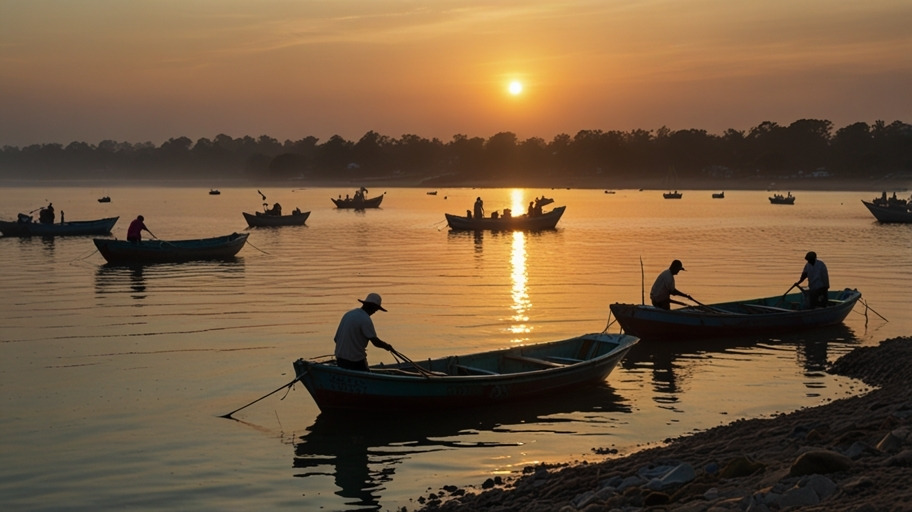
Fishing in Grenada largely revolves around species like yellowfin tuna, kingfish, red snapper, and other pelagic species. The industry operates under two broad categories: artisanal fisheries, which are small-scale and often family-owned, and the larger commercial enterprises that engage in more industrialized fishing methods. While artisanal fishing remains the backbone of Grenada's fisheries, the global demand for seafood and modern commercial practices have started influencing the sector.
Grenada's fishing industry is not only an economic activity but also deeply ingrained in the nation's cultural and social fabric. The coastal towns of Gouyave and Grand Mal, for instance, are renowned fishing communities that take pride in their rich maritime traditions. Despite this, several challenges threaten the sustainability of Grenada's fishing industry.
Challenges Facing Local Fishermen
1. Overfishing and Depleted Fish Stocks
One of the most pressing challenges that Grenadian fishermen face is overfishing, both in the coastal and offshore waters. With increased demand for seafood, particularly for exports to regional and international markets, fish stocks have been significantly depleted. Over the past few decades, Grenada's waters have seen declining populations of vital fish species such as yellowfin tuna, red snapper, and dolphin fish.
The depletion of fish stocks is partly driven by illegal, unregulated, and unreported (IUU) fishing, which occurs both within Grenada's exclusive economic zone (EEZ) and in international waters. While Grenadian artisanal fishermen typically fish close to shore, larger international vessels engage in deep-sea fishing, often depleting the resources available to local fishers. Furthermore, the lack of sufficient regulatory enforcement allows for the overexploitation of certain species.
As fish stocks dwindle, local fishermen must venture farther from shore, incurring higher operational costs in fuel, equipment, and time. This creates a cycle of diminishing returns where the traditional fishing methods, which once provided a steady income, no longer sustain the livelihoods of Grenadian fishermen.
2.Climate Change and Environmental Impact
Climate change has profoundly impacted Grenada's fishing industry, particularly in terms of shifting ocean currents, rising sea temperatures, and coral reef degradation. Warmer ocean temperatures have led to changes in fish migration patterns, making it more difficult for fishermen to locate traditional fish species. Fish stocks have shifted to deeper or cooler waters, often beyond the reach of small-scale fishermen with limited technology and resources.
Moreover, coral reefs, which serve as critical habitats for many marine species, have been severely affected by bleaching events driven by climate change. As a result, the availability of fish species that rely on coral ecosystems has declined, further straining the industry.
Grenada is also vulnerable to extreme weather events, such as hurricanes, which have become more frequent and severe due to climate change. Hurricanes cause extensive damage to fishing boats, gear, and coastal infrastructure, leading to costly repairs and long recovery periods for fishermen. The 2004 Hurricane Ivan, for example, devastated the island's fishing infrastructure, and the industry took years to rebuild.
3. Limited Access to Capital and Modern Technology
Access to modern fishing technology, equipment, and financing is another significant challenge for Grenadian fishermen. Many local fishermen operate on a subsistence or small-scale commercial basis, using traditional fishing boats and methods. Without access to modern equipment, such as fish-finding sonar, advanced refrigeration, and efficient fishing gear, local fishermen face difficulty competing with larger, more industrialized fishing operations.

Additionally, many fishermen struggle to access the capital needed to upgrade their vessels or purchase better equipment. The high costs associated with vessel maintenance, fuel, and gear further strain their ability to invest in their operations. Banks and financial institutions in Grenada often view small -scale fishing as a risky investment, which limits the availability of loans or credit for fishermen.
This adopt lack of access to modern technology and capital puts local fishermen at a disadvantage, limiting their productivity and profitability. Without the means to more efficient and sustainable fishing practices, they are stuck in a cycle of traditional, labor-intensive methods that no longer yield the same returns.
4. Market Access and Global Competition
Grenadian fishermen also face challenges related to market access and competition. While there is a demand for fish and seafood locally, fishermen often struggle to get fair prices for their catches. The absence of a well-organized fish marketing system means that fishermen sometimes have to sell their fish at low prices to middlemen or fishmongers, reducing their earnings.
International competition also presents challenges. As global seafood markets expand, Grenadian fishers face competition from large industrial fishing fleets that can supply cheaper products to international buyers. This has put pressure on local fishermen to increase their catches and reduce costs, often leading to unsustainable practices and further depletion of fish stocks.
Furthermore, Grenada's fisheries infrastructure, such as cold storage and processing facilities, is underdeveloped. This limits the ability of fishermen to store and transport fish for export, reducing the potential to tap into lucrative international markets.
5. Lack of Training and Knowledge on Sustainable Practices
A significant challenge for Grenada's fishing industry is the lack of training and knowledge regarding sustainable fishing practices. While Grenadian fishermen have traditionally relied on their deep knowledge of the local marine environment, they often lack formal training in sustainable fishing techniques, conservation, and resource management .
Without adequate knowledge of sustainable practices, fishermen may inadvertently contribute to overfishing and environmental degradation. For instance, the use of inappropriate fishing gear or practices, such as bottom trawling or using undersized nets, can result in bycatch (the unintentional capture of non-target species) and damage to marine ecosystems.
To ensure the long-term sustainability of the fishing industry, it is essential for fishermen to be equipped with the skills and knowledge necessary to practice responsible fishing and resource management.
Policy Solutions for a Sustainable Future
To address the myriad challenges facing Grenada's fishing industry, policymakers must develop and implement comprehensive solutions that support local fishermen, promote sustainable practices, and ensure the industry's long-term viability. Several policy approaches can be pursued to achieve these goals:
1. Strengthening Fisheries Management and Enforcement
Grenada must strengthen its fisheries management framework to combat overfishing and protect marine resources. This includes updating and enforcing regulations related to fishing quotas, protected species, and the use of sustainable fishing gear. Effective enforcement of existing laws, particularly those related to illegal, unregulated , and unreported (IUU) fishing, is critical to ensuring the sustainability of fish stocks.
The creation of marine protected areas (MPAs) can also play a key role in preserving critical habitats and allowing fish populations to recover. By designing certain areas as no-fishing zones, Grenada can help rebuild fish stocks while ensuring that fishermen can continue to operate in sustainable areas.
2. Promoting Climate Resilience
To mitigate the impacts of climate change on the fishing industry, Grenada should invest in programs that promote climate resilience. This includes supporting research on how climate change is affecting local fish stocks and migration patterns and developing early warning systems for extreme weather events.
Furthermore, fishermen should be provided with training and resources to adapt to climate-related changes, such as shifting fish populations and more severe weather conditions. For example, the government can invest in programs that help fishermen diversify their catch or transition to new fishing grounds .
3. Facilitating Access to Capital and Technology
Providing access to capital and modern fishing technology is essential for helping local fishermen remain competitive and improve their productivity. The government can work with financial institutions to create low-interest loan programs or grants that allow fishermen to invest in new equipment, boats, and technology .
Additionally, fishermen should be supported in adopting sustainable fishing technologies, such as GPS systems for tracking fish stocks, eco-friendly fishing gear, and improved refrigeration systems for better storage. This will not only enhance the efficiency of fishing operations but also reduce the environmental impact of the industry.
4. Building Market Access and Infrastructure
Improving market access and infrastructure is crucial for ensuring that Grenadian fishermen can get fair prices for their catches and tap into international markets. The government should invest in building or upgrading fish processing plants, cold storage facilities, and transportation networks to facilitate the export of fish products.
By developing a well-organized fish marketing system, fishermen can negotiate better prices and reduce their reliance on middlemen. Supporting local fish cooperatives or marketing boards can help fishermen sell their products directly to consumers or exporters, improving their earnings.
5. Enhancing Training and Education on Sustainable Practices
Training and education are key to promoting sustainable fishing practices and resource management. The government, in collaboration with international organizations, NGOs, and local communities, should implement training programs that teach fishermen about sustainable fishing methods, conservation techniques, and the importance of protecting marine ecosystems.
These programs should also focus on equipping fishermen with skills in business management, marketing, and fisheries management, enabling them to run more efficient and profitable operations.

Conclusion
Grenada's fishing industry is at a critical juncture. Faced with overfishing, climate change, and economic challenges, local fishermen struggle to maintain their livelihoods and ensure the sustainability of marine resources. However, through the implementation of comprehensive policy solutions, including stronger fisheries management, climate resilience measures, access to capital and technology, improved infrastructure, and sustainable training programs, Grenada can safeguard the future of its fishing industry.
By taking proactive steps today, Grenada can preserve its marine heritage, support local fishermen, and ensure that future generations can continue to rely on the sea for sustenance and economic prosperity. The fishing industry is not just an economic sector but a vital part of Grenada's cultural and social identity, and its sustainability is key to the nation's future.