The Role of Sports in Grenada's National Identity: A Deep Dive into Athletics and Cricket
Grenada, a small island nation located in the Caribbean Sea, may be known to many as the "Isle of Spice" due to its prolific production of nutmeg, mace, and other spices. However, beyond its fragrant exports, Grenada has also made its mark in the world of sports, particularly in athletics and cricket. Despite its size, the country has produced world-class athletes and cricketers who have helped elevate the nation's visibility on the international stage. More importantly, sports have become a pivotal element of Grenada's national identity, fostering a sense of pride, unity, and global recognition.
This article takes a closer look at the role of sports in Grenada's national identity, focusing on athletics and cricket. It explores the historical context, notable achievements, the cultural significance of sports, and how these athletic pursuits have woven themselves into the very fabric of Grenadian life.
A Brief History of Sports in Grenada
The influence of sports in Grenada can be traced back to its colonial past. Like many other Caribbean islands, Grenada was under British colonial rule until it gained independence in 1974. During the colonial era, British sports such as cricket, football, and track and field were introduced to the population. Cricket, in particular, became immensely popular across the Caribbean, as it was one of the few platforms where people of the colonies could compete against the British on relatively equal footing. As a result, cricket grew to symbolize resistance, national pride, and excellence in the Caribbean.

Athletics, on the other hand, gained prominence post-independence as Grenadian athletes began to participate in regional competitions such as the CARIFTA Games, which highlighted the budding talent in the nation. Over time, with growing investment and focus on athletics, Grenada emerged as a force in regional and international sporting events, culminating in the country's most significant sporting achievements in the 21st century.
The Rise of Athletics: Grenada's International Success
Athletics has long been a source of pride for Grenada, but the small nation truly announced its presence on the global sporting stage in the 2000s, when a new generation of sprinters and field athletes began to make waves in international competitions.
The most notable of these athletes is Kirani James , who is perhaps Grenada's most famous sporting figure. Born in Gouyave, a small fishing town on the island's western coast, James' rise to prominence is one of the most compelling stories in Caribbean athletics. He made headlines as a teenager when he won the gold medal in the 400 meters at the 2011 World Championships in Daegu, South Korea. The following year, James solidified his place in history by winning Grenada's first-ever Olympic gold medal in the 400 meters at the 2012 London Olympics.
James' victory not only placed Grenada on the map in the world of athletics but also triggered an outpouring of national pride. His Olympic success was met with celebrations across the island, with thousands of Grenadians recognizing his achievement as a landmark moment for the country. James has continued to be a force in international athletics, winning medals in subsequent World Championships and Olympic Games, and his influence has inspired a new generation of Grenadian athletes.
Other athletes, such as Anderson Peters , have also contributed to Grenada's international athletic success. Peters, a javelin thrower, won the gold medal at the 2019 World Championships in Doha, further proving that Grenada has the potential to dominate in multiple track and field disciplines Peters' success in the field events contrasts with the traditional Caribbean strength in sprints, showcasing Grenada's versatility in athletics.
The Cultural Significance of Athletics in Grenada
For many Grenadians, athletics is more than just a sport—it is a reflection of the nation's resilience, determination, and ability to punch above its weight on the world stage. The success of athletes like Kirani James and Anderson Peters has helped foster a sense of unity and national pride, especially during international competitions when Grenada competes against much larger and wealthier nations.
The achievements of Grenadian athletes have also had a ripple effect within the country. The government and local sports organizations have increased their support for young athletes, ensuring that talent is nurtured from an early age. Schools across the island emphasize athletics as a part of their curriculum, with events such as the annual Inter-Collegiate Games serving as important platforms for young athletes to showcase their abilities. This focus on grassroots development has been crucial in identifying and developing the next generation of world-class athletes.
In addition to its impact on national pride, athletics has provided Grenadians with opportunities for social mobility. Talented athletes often receive scholarships to universities in the United States, where they can combine academics with their athletic pursuits. For many young Grenadians, this represents a pathway to a better life, both on and off the track.

Cricket: The Heartbeat of Caribbean Sports
While athletics has gained prominence in recent decades, remains deeply ingrained in Grenadian culture and is often considered the heartbeat of Caribbean sports. Introduced by the British during the colonial era, cricket has long been one of the most popular sports in Grenada and across the cricket region. It has historically served as a unifying force for Caribbean nations, particularly during the era of the West Indies cricket team's dominance from the 1970s to the 1990s.
Grenada's contribution to West Indies cricket is notable, with several Grenadian cricketers representing the regional team on the international stage. One of the most famous Grenadian cricketers is Devon Smith , a talented left-handed batsman who represented the West Indies in Test and One-Day International (ODI) cricket. Smith's contributions to both the West Indies and Grenadian cricket have cemented his place in the annals of Caribbean sporting history.
Another significant figure is Rawl Lewis , a Grenadian cricketer who played for the West Indies and later transitioned into coaching and administration within the sport. Lewis' contributions have helped maintain Grenada's strong cricketing tradition while also contributing to the development of the sport at the grassroots level .
Cricket's Role in Shaping National Identity
Cricket, like athletics, has played a significant role in shaping Grenada's national identity. The sport's deep roots in the Caribbean mean that Grenadians grow up watching, playing, and celebrating the game. Cricket grounds, often located in small towns and villages, serve as social hubs where communities come together to watch local matches or discuss international cricket.
The passion for cricket is most evident during major regional tournaments such as the Caribbean Premier League (CPL) or international tours featuring the West Indies team. During these events, Grenadians, like other Caribbean cricket fans, unite to support their team, transcending local differences and celebrating their shared Caribbean identity.
The West Indies cricket team has always been a source of regional pride, representing the collective strength of the Caribbean nations. When the West Indies succeed, it is seen as a victory for all Caribbean people, and Grenada is no exception. This collective spirit has contributed to a sense of unity and shared purpose among Grenadians, with cricket serving as a symbolic link to the broader Caribbean identity.
Moreover, cricket has provided an avenue for Grenadians to challenge colonial hierarchies and assert their independence. During the pre-independence era, Caribbean cricketers' success against England was seen as a form of resistance against colonialism. This historical context adds a layer of significance to the game, as it represents not just a sport, but a vehicle for social and political expression.
The Intersection of Sports and National Identity
In Grenada, sports, particularly athletics and cricket, are more than just leisure activities—they are key elements of the nation's identity. They provide a platform for Grenadians to express their pride, resilience, and ability to excel in the face of adversity. , the global successes of Grenadian athletes and cricketers have helped put the small island nation on the world map, making sports a crucial avenue for international recognition.
At a deeper level, sports also play an important role in fostering social cohesion. Whether it's through national celebrations following an Olympic medal or the collective joy of watching a cricket match, sports have a unifying effect on Grenadian society. They bring people from different backgrounds together, transcending social, economic, and political differences.
Furthermore, the importance of sports in Grenada extends beyond mere entertainment or competition. They serve as a means of personal and national development, offering opportunities for young people to rise through the ranks and achieve success both locally and internationally. The achievements of athletes like Kirani James and cricketers like Devon Smith demonstrate the potential for sports to create lasting legacies that inspire future generations.
Conclusion
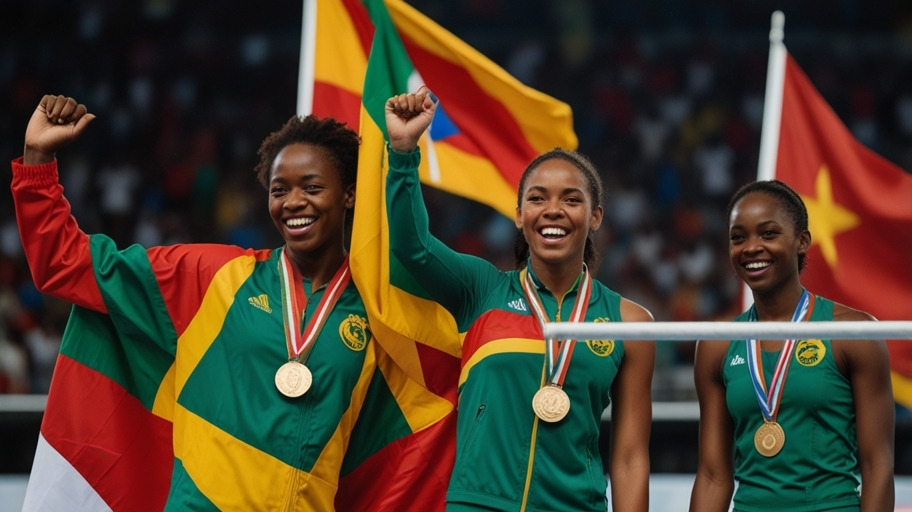
The role of sports in Grenada's national identity cannot be overstated. Athletics and cricket, in particular, have become pillars of the nation's cultural fabric, reflecting Grenada's spirit, unity, and ambition. Through international success in these sports, Grenada has gained recognition on the global stage, while at home, sports foster a sense of pride and community.
As Grenada continues to invest in sports development, the nation's identity will likely remain intertwined with the achievements of its athletes and cricketers. For Grenada, sports represent not just competition, but a reflection of who they are—a small but resilient nation that continues to defy the odds and excel on the world stage.